
Evidence
Your Witness Statements Are Getting Struck Out Because You Ignored CPR 32.8
District judges are striking witness statements that read like legal submissions rather than the witness's own words. Your intake process is creating evidence that cannot survive scrutiny.
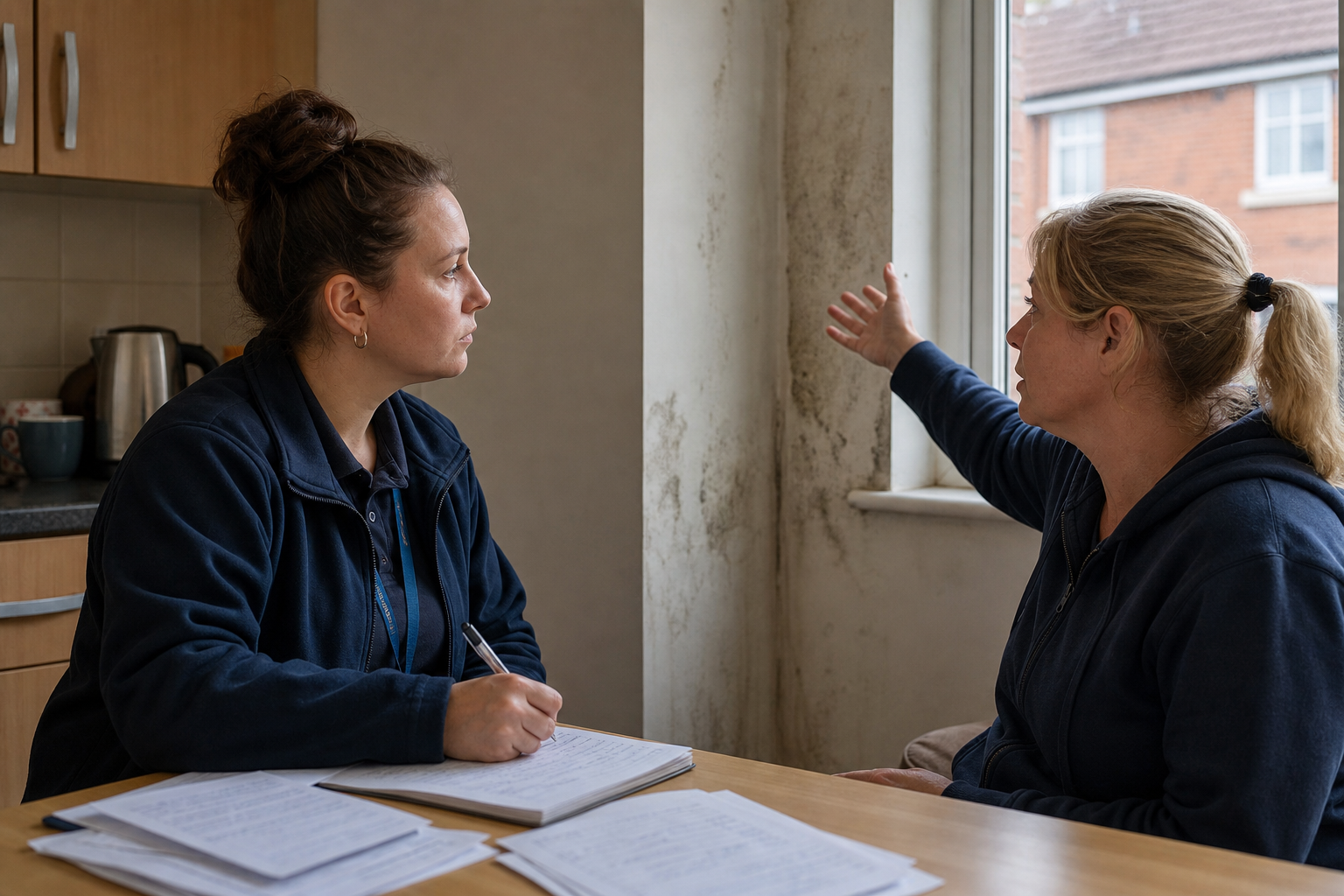
Illustration — intake context for the article
I have watched CMCs lose perfectly good housing disrepair cases because their witness statements read like they were drafted by someone who never met the tenant. CPR 32.8 requires that a witness statement must indicate which statements are made from the witness's own knowledge and which are matters of information or belief. When every statement sounds identical across your entire caseload, judges notice. They strike them out or give them minimal weight, and your case collapses.
The statement of truth under CPR 22 is not a formality. When a witness signs confirming the contents are true, they are exposing themselves to contempt proceedings if the statement contains fabrications or exaggerations. Your intake managers need to understand that drafting a statement that puts words into a tenant's mouth is not just poor practice. It potentially exposes the witness and the solicitor to serious consequences. The case of Liverpool Victoria Insurance Co Ltd v Zafar [2019] EWCA Civ 392 should be required reading for anyone involved in evidence gathering.
The format matters as much as the content. CPR Practice Direction 32 paragraph 19.1 sets out precise requirements including pagination, numbering of paragraphs, and the position of the statement of truth. Statements that fail these basic standards signal to the court that the legal team lacks attention to detail. Judges draw inferences from sloppy presentation.
When your intake team speaks to a tenant about damp and mould, they must record the tenant's actual words about what they saw, when they saw it, and how it affected them. A statement that says the tenant observed extensive black mould growth throughout the property causing respiratory difficulties sounds like a solicitor wrote it. A statement that says I first noticed black spots on the bedroom ceiling in March 2024 and my daughter started coughing at night sounds like a human being wrote it. The second version survives cross-examination.
Your intake process should capture contemporaneous detail at first contact. By the time a case reaches disclosure, memories fade and tenants forget specifics. Train your team to ask open questions and record answers verbatim where possible. The witness statement drafted six months later should draw on those initial notes, not invent details that conveniently fill gaps in the evidence. Courts have seen enough manufactured statements to spot them instantly, and once credibility is damaged, the entire case suffers.
— Shaine Stead, Founder & Legal Operations Director
Vet your next file
Upload a case pack at app.ewlps.co.uk and see what your panel would have asked before you refer it.
Open the vetting tool →